


The Cultural Importance of Indian Handwoven Textiles
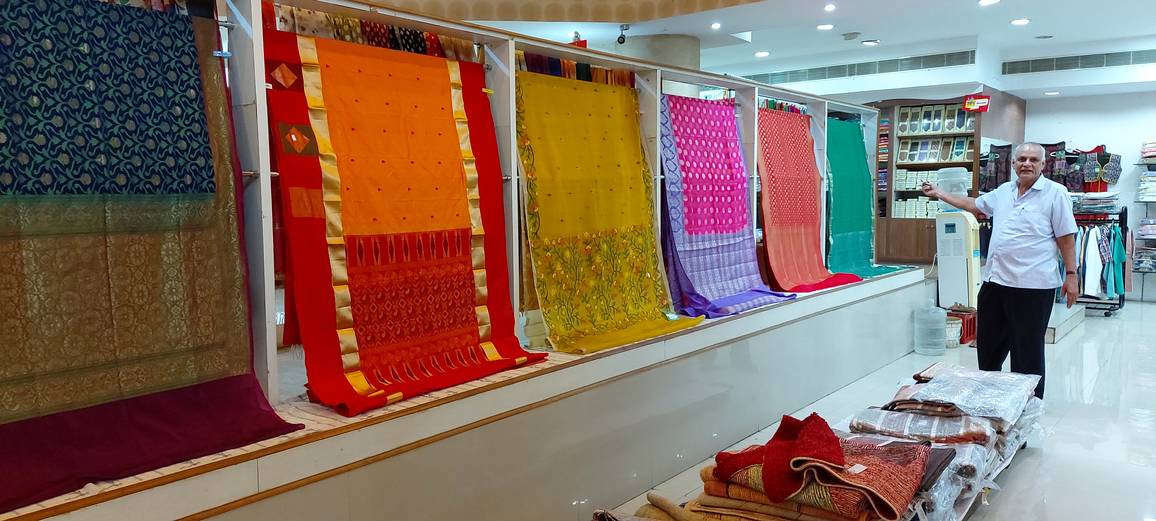
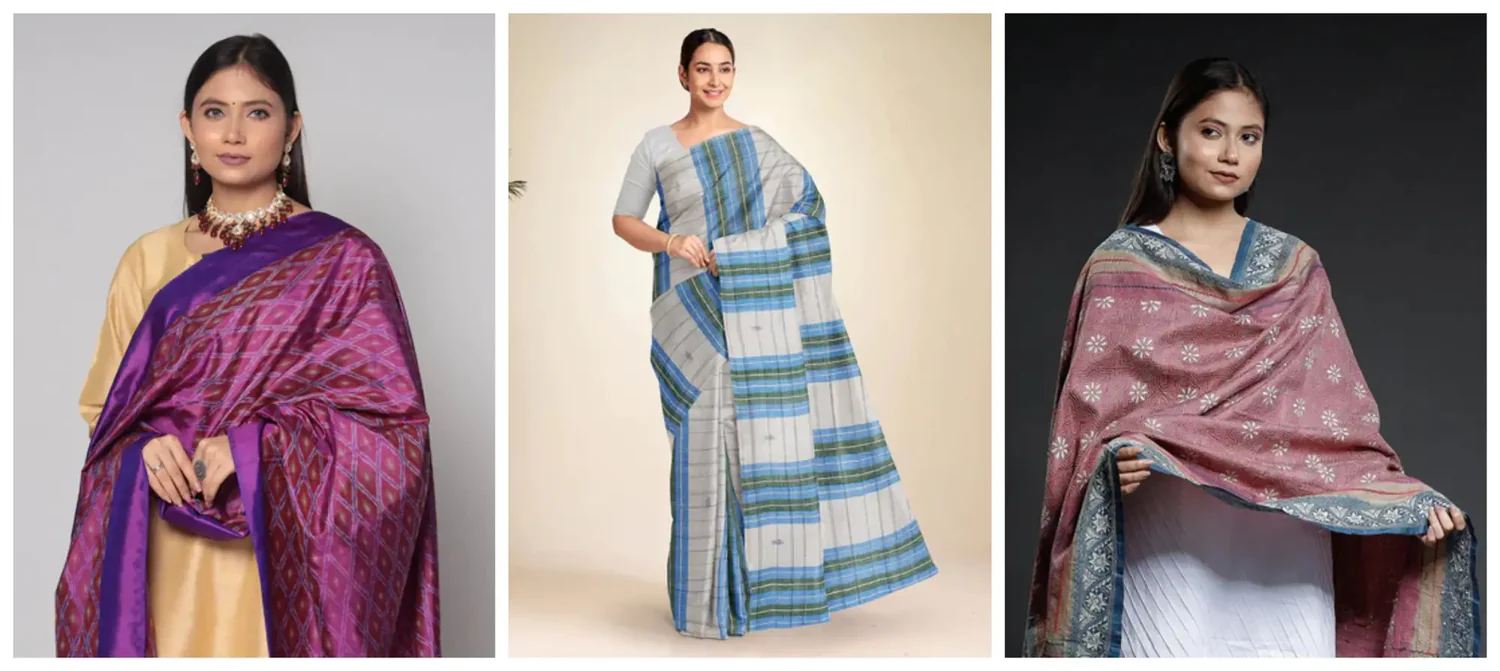
The handloom tradition is a tapestry of varied weaving techniques, designs, and motifs that differ from region to region. Every handloom fabric tells a unique cultural story, from the vibrant Phulkari of Punjab to the complex Ikkat of Odisha. Many of these textiles are intricately tied to local customs and rituals, often playing a central role in weddings, festivals, and religious ceremonies. For instance, the Banarasi silk sari is essential to North Indian bridal wear, symbolising luxury and timeless beauty.
Handwoven textiles also reflect India’s diverse identity. Traditional motifs, colours, and patterns are deeply rooted in the social and cultural life of different communities. The intricate designs often feature elements of local folklore, religious symbols, and nature, creating a rich visual language that connects generations and preserves indigenous heritage.
The Economic Role of Handlooms: Rural Employment and Livelihoods
The handloom industry provides significant employment in India, especially in rural regions. According to the Fourth All India Handloom Census, there are over 3 million weavers and allied workers in the handloom sector, most of whom belong to economically weaker sections of society. Many women rely on handloom weaving as their primary income source, helping support their families and communities.
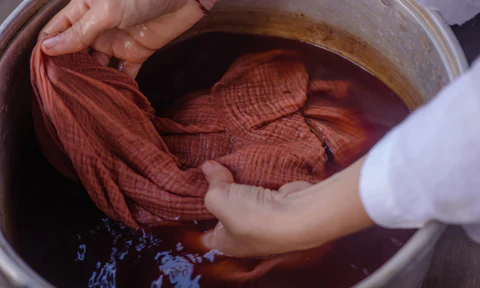
Unlike large-scale, mechanised textile production, the handloom sector is labour-intensive, ensuring more employment opportunities, especially in regions with limited industrial development. It also promotes sustainable economic growth by fostering decentralised production and utilising eco-friendly methods. The focus on natural dyes and organic materials, such as cotton, silk, and wool, adds to the environmentally conscious nature of the industry.

Leave a Reply