

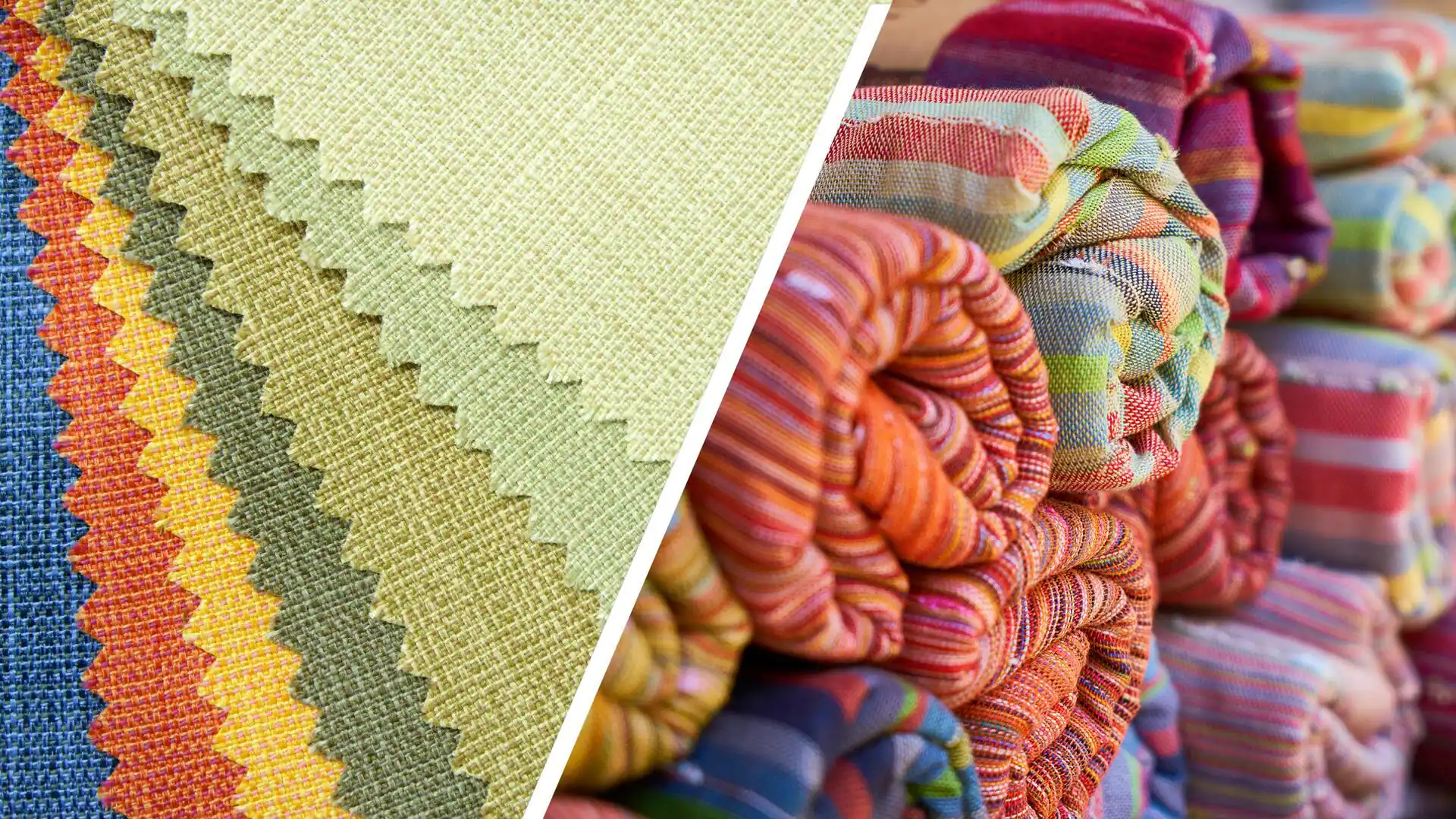

The rise of sustainable fashion has created a huge appetite for handmade and hand-loomed items. There’s something extra special about handmade pieces; the level of artistry achieved is unique, and you know the person who made it put genuine thought, love and passion into it.
No wonder handloom fabrics are all the rage now! They truly deserve the limelight and your appreciation grows once you understand how they are made.
So what are handloom fabrics? How are they made? And what are their advantages and disadvantages?
Whether you already are a handloom lover or just handloom curious, we have the answers! We’re taking it back to basics by shedding some light on the history, use and benefits of handloom fabrics.
What are handloom fabrics?
Handloom fabrics are handwoven fabrics created on a weaving device called a loom. The process involves entwining a set of vertical threads, the ‘warp”, with a set of horizontal threads, the ‘weft”.
The loom holds the warp threads under tension to facilitate the interweaving of the weft threads over and above the warp using a weaving shuttle. This is done repeatedly to create the handloom fabric.
Handloom weaving is a labour of love as much as it’s a source of livelihood. It requires utmost patience, artistry, and technical skills not to mention physical strength!
The weaver’s hand is at the heart of this intricate process. They select the yarn, pattern, colour, texture, and precise technique to create their desired aesthetic.
The fabric carries the energy and personality of the weaver and it becomes part of the garment’s story.

Leave a Reply